

Dysautonomia in ME/CFS, Long Covid and Fibromyalgia: What You Need to Know
If you live with ME/CFS, Long Covid or Fibromyalgia, you may have experienced symptoms such as dizziness, palpitations, fatigue, brain fog, digestive problems or feeling worse when standing. While these symptoms can seem unrelated, they may all have a common cause: dysautonomia.
Dysautonomia is increasingly recognised as an important contributor to illness severity in all three conditions. Understanding how it affects the body can help explain symptoms and guide practical management strategies.

What is Dysautonomia?
Dysautonomia refers to dysfunction of the autonomic nervous system (ANS), the part of the nervous system that automatically controls essential functions such as:
Heart rate
Blood pressure
Digestion
Breathing
Body temperature
Blood circulation
The ANS has two main branches:
The sympathetic nervous system ("fight or flight"), which prepares the body for action and stress.
The parasympathetic nervous system ("rest and digest"), which promotes recovery, relaxation and healing.
In healthy individuals, these systems work together to maintain balance. In dysautonomia, this balance is disrupted, often resulting in an overactive stress response and reduced ability to recover.

How Common is Dysautonomia?
Research suggests autonomic dysfunction is extremely common in ME/CFS, Long Covid and Fibromyalgia.
Recent studies have found that:
In all three conditions, dysautonomia is linked to greater fatigue, cognitive difficulties and reduced quality of life.
Common Symptoms of Dysautonomia
Because the autonomic nervous system affects so many body functions, symptoms can be wide-ranging.
Orthostatic Intolerance
One of the most common features of dysautonomia is orthostatic intolerance – symptoms that occur when sitting or standing upright.
These may include:
Dizziness
Light-headedness
Feeling faint
Palpitations
Rapid heart rate
Fatigue
Brain fog
Many people notice their symptoms improve when they lie down.
Postural Orthostatic Tachycardia Syndrome (PoTS)
PoTS is a form of dysautonomia characterised by an excessive increase in heart rate on standing.
Symptoms may include:
Palpitations
Tachycardia (rapid heart rate)
Dizziness
Breathlessness
Fatigue
Exercise intolerance
Some people also develop a bluish or purple discolouration of the feet and lower legs due to blood pooling.
Cardiovascular Symptoms
Dysautonomia can affect circulation and blood pressure regulation, leading to:
Palpitations
Low blood pressure
Irregular heartbeat
Reduced blood flow to the brain
This reduced circulation may contribute to fatigue, brain fog and exercise intolerance.
Temperature Regulation Problems
Many people experience:
Cold hands and feet
Heat intolerance
Excessive sweating
Reduced sweating
Difficulty regulating body temperature
Digestive Symptoms
Autonomic dysfunction can disrupt normal digestive processes, causing:
Constipation
Reflux
Bloating
Nausea
Altered bowel habits
Other Symptoms
Additional symptoms may include:
Dry eyes and dry mouth
Frequent urination
Light sensitivity
Visual disturbances
Cognitive dysfunction
How is Dysautonomia Diagnosed?
Diagnosis usually involves a combination of symptom assessment and testing.
Common investigations include:
Blood tests to rule out other causes of symptoms
Active stand testing
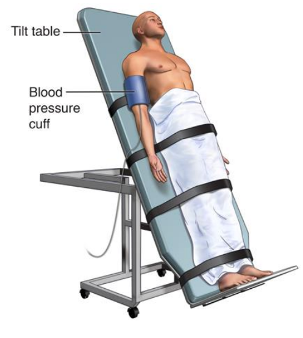
Tilt table testing
Heart rate variability assessment
Tilt table testing is considered the gold-standard test for diagnosing conditions such as PoTS and orthostatic hypotension.
Practical Strategies for Managing Dysautonomia
While there is no single cure, many people experience meaningful improvements through a combination of lifestyle, nutritional and medical approaches.
1. Stay Well Hydrated
Low blood volume is common in dysautonomia.
Many specialists recommend:
Drinking around 2–3 litres of fluid daily
Drinking water before getting out of bed in the morning
Increasing fluid intake during hot weather
2. Optimise Salt and Electrolytes
For some people, increasing salt intake can help improve blood volume and circulation.
Electrolytes such as sodium, potassium and magnesium are important for:
Blood pressure regulation
Nerve signalling
Muscle function
However, increased salt intake is not appropriate for everyone and should be discussed with a healthcare professional.
3. Stabilise Blood Sugar
Blood sugar fluctuations can worsen autonomic symptoms.
Helpful strategies include:
Eating regular meals
Including protein, healthy fats and fibre with meals
Limiting sugary foods and refined carbohydrates
This may help reduce adrenaline surges, palpitations and energy crashes.
4. Prioritise Nutrient-Dense Foods
A diet rich in whole, minimally processed foods provides important nutrients that support nervous system function.
Particular attention should be paid to:
Magnesium
Vitamin D
B vitamins
Vitamin C
Iron (if deficient)

5. Pace Your Activity
For people with ME/CFS and Long Covid, pacing remains one of the most effective management strategies.
Key principles include:
Staying within your energy limits
Avoiding "push-crash" cycles
Breaking tasks into smaller steps
Building regular rest periods into the day
6. Consider Compression Garments
Compression tights or abdominal compression garments can help reduce blood pooling in the legs and abdomen.
Many people find this improves dizziness, fatigue and upright tolerance.
7. Use Postural Strategies
Simple adjustments can help minimise symptoms:
Stand up slowly
Avoid standing still for long periods
Sit down when symptoms begin
Elevate your legs when resting
8. Practice Diaphragmatic Breathing
Slow, controlled breathing can help activate the parasympathetic nervous system and reduce autonomic overactivity.
Potential benefits include:
Reduced palpitations
Improved heart rate variability
Better stress regulation
Reduced breathlessness
9. Manage Heat Exposure
Heat can worsen symptoms by causing blood vessels to dilate.
Helpful strategies include:
Staying cool in hot weather
Drinking extra fluids
Using fans or cooling aids
Avoiding very hot baths and showers
10. Prioritise Sleep
Good sleep habits support autonomic regulation.
Try to:
Keep regular sleep and wake times
Limit caffeine later in the day
Reduce screen exposure before bed
Keep your bedroom cool, dark and quiet
Key Takeaway
Dysautonomia is a common but often under-recognised feature of ME/CFS, Long Covid and Fibromyalgia. It can affect multiple body systems and contribute significantly to fatigue, dizziness, cognitive problems and reduced daily functioning.
Although there is rarely a single solution, many people benefit from a combination of hydration, nutrition, pacing, circulatory support and nervous system regulation strategies.
The goal is not to push through symptoms, but to support the body's ability to maintain stability and improve resilience over time.


Comments