

Can nutrition help reduce chronic pain in ME/CFS, Long Covid and Fibromyalgia?

Living with chronic pain can be exhausting, frustrating, and often difficult to manage. For people with ME/CFS, Long Covid and Fibromyalgia, pain is often widespread and persistent — and while medication can help, it may not be the only helpful approach.
Emerging research suggests that nutrition may play an important role in both driving and relieving pain. In fact, diet influences key systems involved in pain, including the nervous system, immune system and energy production pathways .
So how does this work — and what practical steps can you take?

Can nutrition reduce chronic pain?
Chronic pain is increasingly understood as a whole-body process, not just a local issue in muscles or joints. Research has shown that nutritional interventions can be effective at reducing chronic pain (Elma 2020, Brain 2019)
Dietary intake can support the nervous, immune and endocrine systems, all of which directly impact on the experience of pain. Several key mechanisms are involved:
a) Inflammation and oxidative stress
Many chronic pain conditions are linked to low-grade inflammation and oxidative stress. These processes can:
Damage cells and tissues
Disrupt nerve signalling
Reduce energy production (mitochondrial function)
In Fibromyalgia, there is evidence of increased oxidative stress and altered antioxidant balance .
b) Nervous system sensitisation
Pain sensitivity is influenced by neurotransmitters such as serotonin and noradrenaline. These chemicals help regulate how strongly we perceive pain.
Low serotonin has been observed in Fibromyalgia and Long Covid
High glutamate (an “excitatory” neurotransmitter) may increase pain sensitivity
These neurotransmitters are directly influenced by dietary nutrients, especially protein.
c) Gut health and the microbiome
The gut plays a surprisingly important role in pain:
Gut bacteria influence inflammation and immune function
Poor gut health may worsen pain and fatigue
For example, one study found 78% of people with fibromyalgia had SIBO, with improvements in pain after treatment.
d) Diabetes and disturbed glucose metabolism
Diabetes is a risk factor for chronic pain. Patients with chronic musculoskeletal pain frequently have disturbed glucose metabolism and higher rates of Type 2 diabetes.

Illustration from Elma, 2022 The Importance of Nutrition as a Lifestyle Factor in Chronic Pain Management: A Narrative Review
Key nutritional strategies to reduce pain
Anti-inflammatory diets such as the Mediterranean diet, seem to be beneficial in the reduction of chronic pain. Studies which assess the impact of specific whole-food based dietary patterns – i.e Mediterranean, vegetarian, low calorie diet, low carbohydrate and elimination diets suggest these eating patterns may be help by:
Improving diet quality and removing highly processed foods
Increasing nutrient density
Supporting weight loss
Changing the gut microbiome
Adopt an anti-inflammatory diet
An anti-inflammatory diet is one of the most evidence-supported approaches in the management of chronic pain. Some of the reasons for this are as follows:
Many pain conditions are associated with inflammation, including neuroinflammation
Higher levels of ROS (reactive oxygen species) lead to oxidative stress and inflammation (Cordero, 2012)
ROS affect mitochondrial function which reduces energy in muscle and neural cells and leads to pain
Oxidant/antioxidant balances are changed in fibromyalgia and one hypothesis is that fibromyalgia as an oxidative disorder (Bagis, 2005)
An anti-inflammatory diet is rich in antioxidants help protect the body against ROS and oxidative stress
Principles of an anti-inflammatory diet
Emphasis on real whole minimally processed foods
Limit processed foods, including sugars
Eat healthy fats, including Omega-3 fatty acids, oily fish, nuts & seeds, olive oil
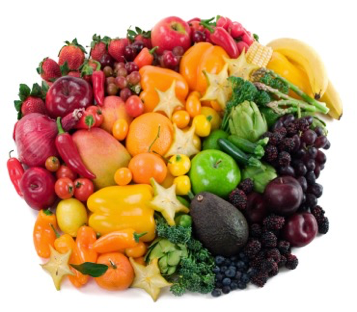
Colourful fruits and vegetables (eat a rainbow)
Herbs and spices
Probiotics
Anti-inflammatory dietary patterns such as the Mediterranean diet have been linked to reduced chronic pain .
2. Increase omega-3 fats and olive oil in your diet
Omega-3 fats help to calm inflammation and support immune function. Good sources of omega 3 fats include:
Oily fish (salmon, sardines, mackerel)
Chia seeds, flaxseeds
Walnuts
Omega-3 fats and olive oil both help to reduce inflammation and enhance the immune system. Other healthy fats such as avocado oil, nuts, and seeds also have anti-inflammatory effects.

3. Plenty of colourful foods and herbs and spices
Polyphenols are compounds found in fruit and vegetables which have antioxidant and anti-inflammatory properties. Polyphenols are found in foods such as vegetables, fruits, cocoa and nuts, tea, wine. Diets rich in bioactive compounds are associated with improvements in disease as they are protective against inflammatory processes.
Use fresh fruit and vegetables that are in season. Frozen foods are also a very good choice are also a healthy option as they maintain their nutritional quality and are easy and quick to use. Try a different type of fruit each week and include frozen fruits (e.g. berries). Aim for half of your plate to be covered in vegetables and try and include vegetables as a snack.
Herb and spices
A number of herbs and spices have anti-inflammatory properties and helpful for chronic pain. Examples include:
Ginger has been found to reduce inflammatory markers and pain (Bartels, 2015)
Garlic reduces inflammatory markers and increases anti-oxidants (Mirzavandi, 2020)
Turmeric reduced inflammation. Taking it with black pepper increases absorption of curcumin by 2000% (Tabrizi, 2019)
Cardamum improves anti-oxidant status and reduce inflammation (Kazemi, 2017)
This Photo by Unknown Author is licensed under CC BY-NC-ND
Support gut health
Improving gut health may reduce pain and improve overall symptoms. Improving gut symptoms In Fibromyalgia appears to improve symptoms overall, including pain. In one study 78% of 123 people with FM had SIBO with improvements in digestive and pain symptoms following treatment of SIBO (Pimentel 2001)
Non-coeliac patients with FM treated with a gluten-free diet for 6 months had improved symptom severity and widespread pain index, according to one study. A re-challenge led to a significant rise in symptom severity and widespread pain index. (Bruzzese, 2023)
Practical steps:
Include fermented foods in your diet regularly. Foods rich in probiotics, such as yogurt, kefir, sauerkraut, kimchi, and other fermented foods help promote a healthy gut microbiome, which is linked to reduced inflammation.
Consider whether specific triggers (e.g. FODMAPs or gluten) worsen symptoms
Eat a diverse, fibre-rich diet
Some people may benefit from targeted approaches under guidance (e.g. low FODMAP or addressing SIBO).

5. Eat enough of the right protein
Protein provides amino acids needed to make neurotransmitters. Neurotransmitters are the body’s chemical messengers. They are the molecules used by the nervous system to transmit messages between neurons, or from neurons to muscles and are very important in pain regulation.
Several neurotransmitters are involved in pain processing, e.g serotonin and noradrenalin are important in inhibiting pain.
Serotonin has been shown to be low in Fibromyalgia and Long Covid and dysregulated in ME/CFS.
The amino acid glutamate is an excitatory neurotransmitter that is raised in FM and may worsen symptoms in Fibromyalgia.
The body makes neurotransmitters but is dependent on protein in food to provide key amino acids in order to make these important molecules.
The amino acid tryptophan is used to make serotonin (helps reduce pain sensitivity)
The amino acid tyrosine is used to make dopamine/noradrenaline (supports focus and resilience)
a) Increase foods rich in tryptophan and tyrosine
Including good quality protein at each meal is important for the production of neurotransmitters. Try to include foods rich in the amino acids tryptophan and tyrosine
Foods rich in tryptophan are shown below:

Foods rich in tyrosine are shown below:

b) Reduce dietary glutamate
Glutamate is commonly found in foods containing MSG such as:
Chinese food
Canned Vegetables
Instant noodles
Dried Soup Mixes
Seasoned salt
Bouillon cubes
Some processed Meats
Gravy mixes
Not all packaged foods containing MSG will explicitly say so on the label – other ingredients like hydrolysed protein, autolysed yeast and sodium caseinate are all pseudonyms for MSG.
6. Optimise key nutrients
Deficiencies in several nutrients may contribute to chronic pain:
Vitamin D

Deficiency found in up to 40% of people with Fibromyalgia and is linked to increased pain sensitivity
Exposure to the sun during summer months can boost vitamin D levels
Supplementation during Winter months is recommended for most people, and year-round supplementation is recommended for those who are unable to spend much time outdoors
Magnesium
Supports:
Muscle relaxation
Nerve signalling
Reduction of pain-related neurotransmitters
Low magnesium may increase inflammation and pain signalling.
B Vitamins (especially B12 & folate)
Important for nerve health
Low levels linked to musculoskeletal pain
Supplementation has helped some patients
Selenium
Low levels observed in Fibromyalgia
Important for antioxidant defence and thyroid function
CoQ10
Supports mitochondrial function (energy production)
Studies show it may:
Reduce pain
Improve fatigue
Lower oxidative stress
Beyond diet: supporting pain holistically
Nutrition works best alongside other supportive approaches:
Gentle movement (e.g. tai chi shown to improve symptoms)
Mindfulness and stress reduction
Acupuncture (small but measurable benefits in some studies)
In summary
In summary, the evidence suggests the following key actions which may be helpful for managing chronic pain:

Simple starting points
If you’re feeling overwhelmed, start small:
Add one extra portion of vegetables daily
Swap processed snacks for whole food options
Include protein at each meal
Try one anti-inflammatory herb (e.g. ginger or turmeric)
Consider vitamin D supplementation (especially in winter)
Final Thoughts
Nutrition is not a cure for ME/CFS, Long Covid or Fibromyalgia — but it is a powerful tool that can influence inflammation, energy production, gut health and pain signalling.
Small, consistent dietary changes can make a meaningful difference over time, especially when combined with a broader, personalised approach to care.


Comments